
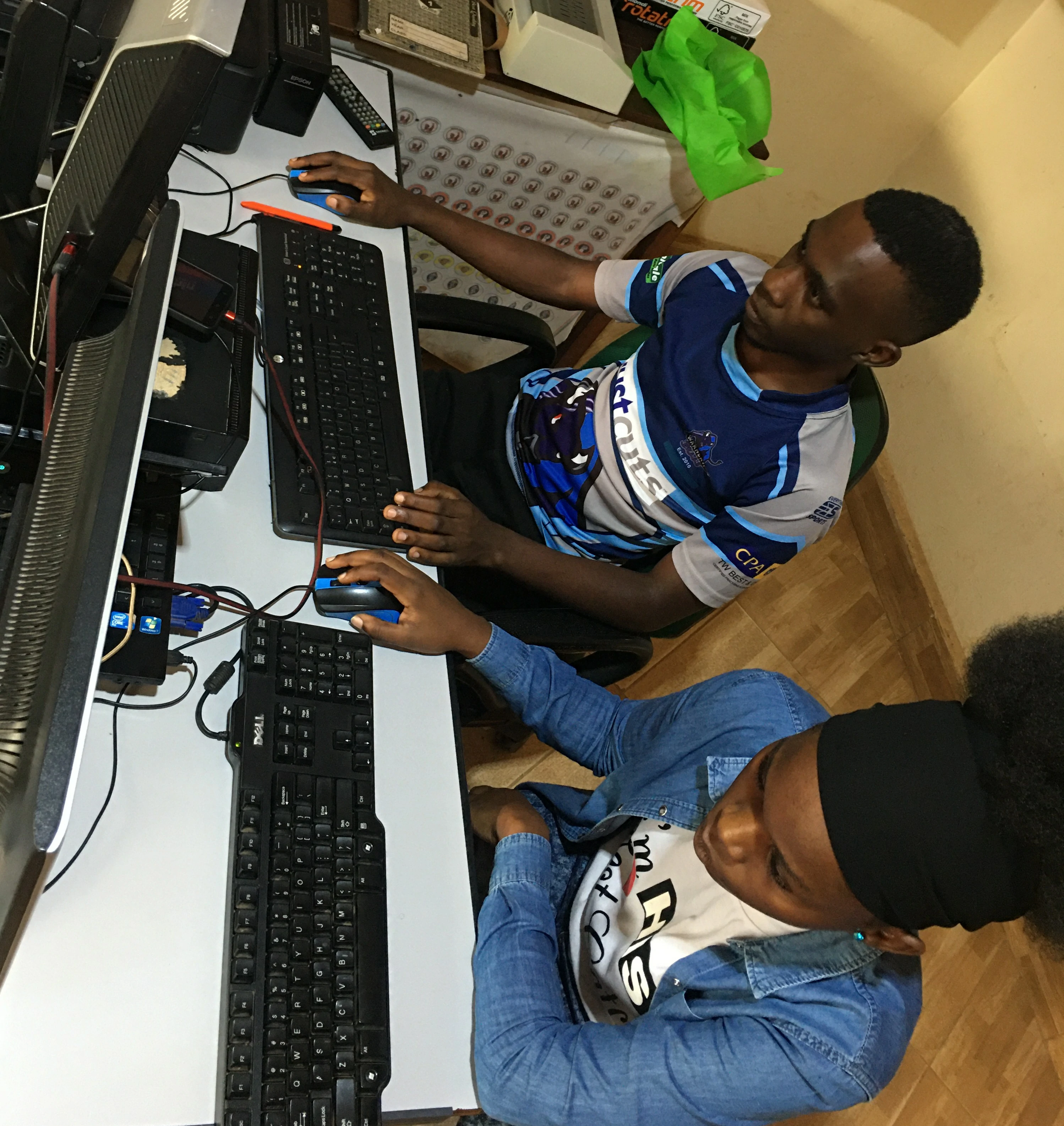
Bridging the Gap: The Urgent Need for ICT Integration in Ugandan Primary Schools
In an age where information and technology are sweeping across the globe, the integration of Information and Communication Technology (ICT) in education is no longer a luxury but a necessity. Embracing ICT in schools not only enhances the learning experience but also empowers both teachers and students with innovative tools to expand their horizons. Uganda, like many other countries, recognizes the potential of ICT, yet there remains a glaring gap in its integration within the primary school curriculum.
ICT in education is a game-changer. It has the power to transform traditional classrooms into dynamic learning spaces. Teachers armed with technology can create interactive and captivating lessons, making even the most complex subjects accessible through visual aids and audio feedback.
The result?
Students are no longer passive recipients of knowledge; they become active explorers, delving into topics, understanding concepts, and retaining information with newfound engagement.
Yet, in Uganda, the story of ICT integration is far from complete. Currently, ICT finds its way into only secondary and tertiary institutions, often leaving the primary level untouched. This gap stems from a variety of challenges, including the high cost of equipment, the need for competent staff, and infrastructural limitations. While a few private primary schools have taken steps to introduce ICT lessons, they remain financially out of reach for many families, perpetuating a cycle of unequal access.
The exclusion of ICT from the primary school curriculum is not just a missed opportunity; it's a disservice to the future. With the majority of Ugandan students not encountering ICT until secondary or university levels, a significant portion of the population remains digitally marginalized. Poverty further compounds the issue, preventing many school-going children from progressing beyond primary education, resulting in a lack of crucial skills.
To bridge this digital divide, a proactive approach is necessary. The Ugandan government must prioritize the integration of ICT within the primary school curriculum, ensuring that every child, regardless of economic background, gains access to these essential skills. It's not just about learning how to use a computer; it's about opening doors to knowledge, expanding horizons, and equipping young minds with tools for a brighter future.
Imagine a primary school graduate armed not only with a leaving certificate but also with ICT skills. Such an individual can be an agent of change, contributing not only to their personal growth but also to the development of their communities. The impact ripples outward, as digital literacy becomes a driving force for progress, innovation, and social upliftment.
As we look ahead, it's clear that the integration of ICT in primary schools is not a luxury but an imperative. It's a step towards creating an empowered generation that can leverage technology to break barriers, embrace opportunities, and reshape their own destinies. Let's come together to advocate for the inclusion of ICT in Uganda's primary school curriculum, ensuring that every child has the chance to embark on a journey of digital discovery and educational empowerment. #ICTforAll #EducationTransformation #EmpowerTheFuture
