
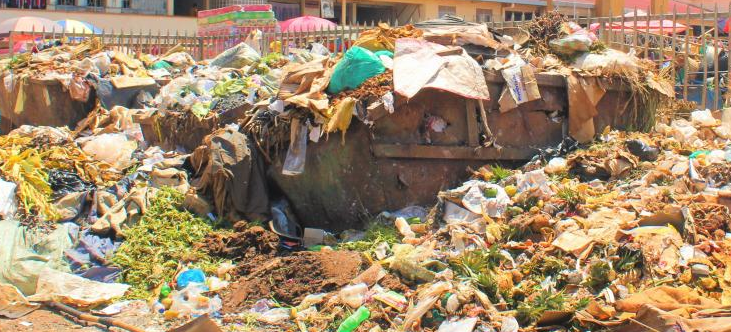
Unveiling the Dangers: Health Risks of Mishandled Produce and Perishable Waste in Local Ugandan Markets
In the heart of Uganda's local markets, a vibrant symphony of colors and cultures converges, offering a treasure trove of fresh produce and daily essentials. Yet, beneath the surface of this bustling scene lies a significant concern - the improper handling of produce and perishable waste. This often-overlooked issue can have dire consequences for public health, the environment, and the overall well-being of the community. In this article, we'll uncover the key health hazards associated with mishandled produce and waste in local markets across Uganda.
Food-borne Illnesses: Improperly handled produce,
such as fruits, vegetables, and grains, can become contaminated with harmful
bacteria, viruses, and parasites. When consumed, these contaminants can lead to
food-borne illnesses with symptoms ranging from mild discomfort to severe
gastrointestinal distress. Diarrhea, vomiting, and abdominal pain are common
outcomes, and in vulnerable populations, such as children, the elderly, and
pregnant women, these illnesses can be especially dangerous.
Bacterial Growth and
Infections:
Lack of proper storage and refrigeration for perishable items, like meats and
dairy products, can encourage the growth of bacteria such as Salmonella, E.
coli, and Listeria. These bacteria can multiply rapidly in warm conditions and
cause serious infections when ingested. The mishandling of raw and cooked items
in close proximity can lead to cross-contamination, exacerbating the risk of
infection.
Pest Infestations and Disease
Spread:
Unattended perishable waste in markets can attract pests like rodents, flies,
and insects. These pests are not only carriers of diseases themselves but can
also spread contaminants from waste to the produce on display. Flies, for
instance, can transport pathogens from rotting waste to the food items, putting
consumers at risk of various infections.
Environmental Degradation: Improper disposal of
perishable waste can harm the environment. When waste is left to decompose in
open spaces, it releases methane, a potent greenhouse gas that contributes to
global warming. Additionally, runoff from waste sites can contaminate water
sources, causing waterborne diseases and negatively impacting both human and
environmental health.
Health of Market Traders and
Workers:
Market traders and workers who handle produce and waste without adequate
protective measures are at direct risk of exposure to pathogens. Their health
is compromised as they come into close contact with contaminated materials,
potentially leading to infections and the spread of diseases within their
families and communities.
Public Awareness and
Education:
Lack of awareness about the health risks associated with mishandled produce and
waste is a significant challenge. Initiatives aimed at educating both market
vendors and consumers about safe handling, storage, and waste disposal
practices are essential. Workshops, posters, and community engagement programs
can play a vital role in spreading this knowledge.
Â
