IMG 1752
IMG 1752

Introduction
The Rabbit Farming Initiative was launched by the African Soul Initiative (ASI)
to promote sustainable income generation and food security among urban
households in Nansana Municipality. This report highlights the inception,
progress, and impact of the project, which aims to empower families with a
practical and manageable livestock farming option.
Inception and Objectives
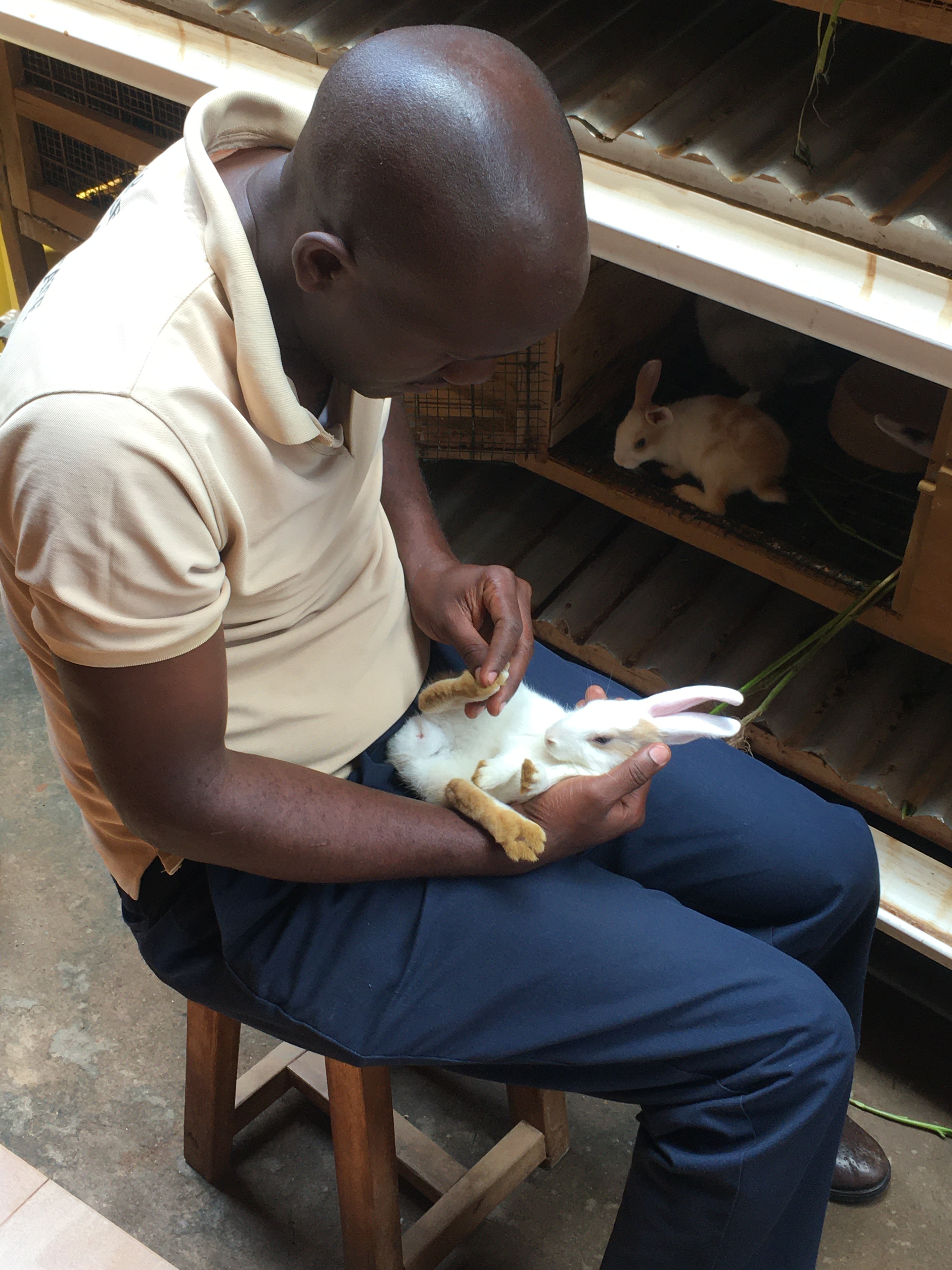
The Rabbit Farming Initiative commenced on June 5th, 2021, with the introduction of three rabbits at the ASI center, serving as a model project for the community. The primary objectives of the initiative are:
Project Implementation
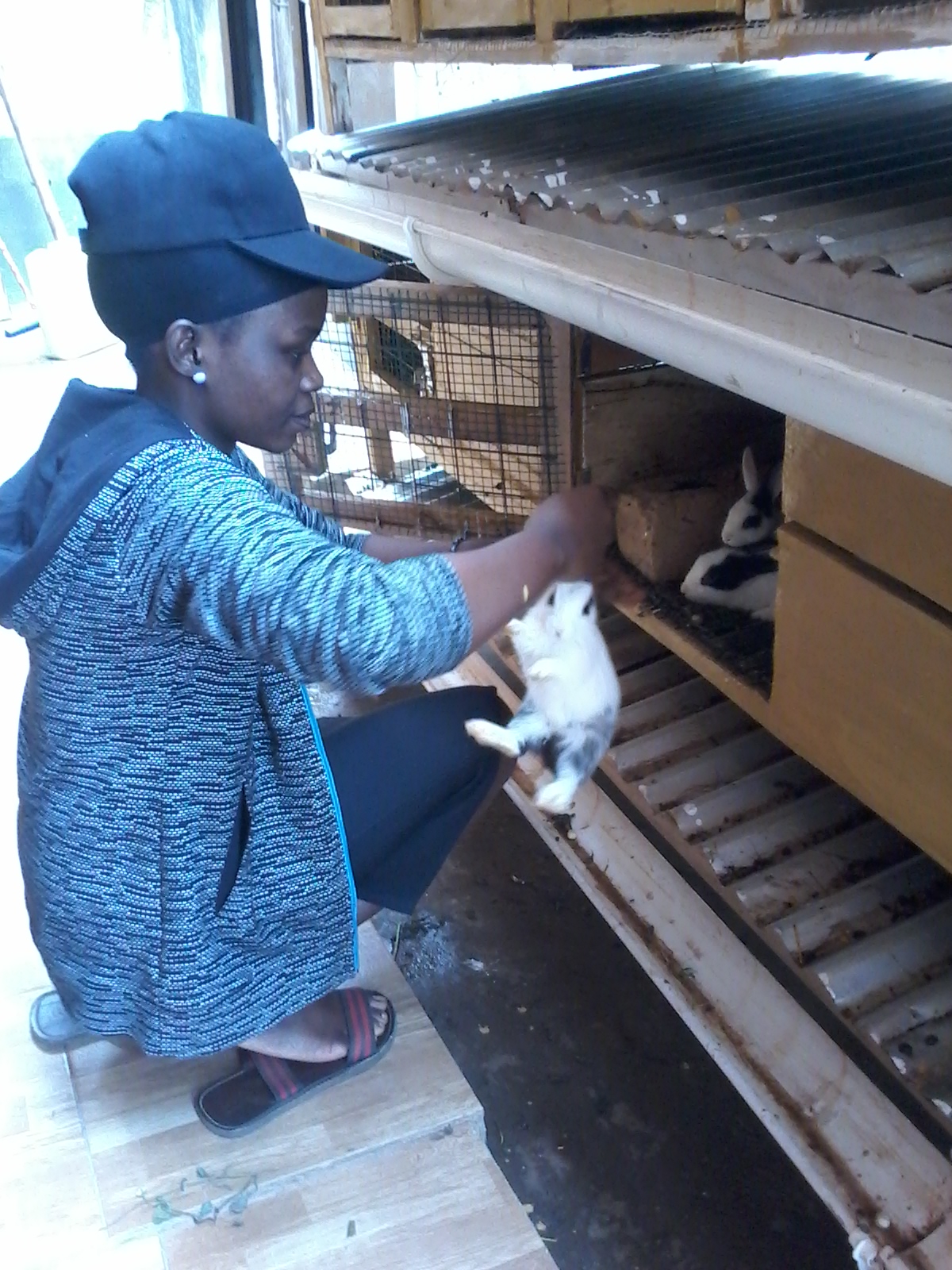
The initiative started with the distribution of rabbits and basic cages to selected households during the COVID-19 lockdown, providing families with an opportunity to engage in income-generating activities from home. As rabbits are prolific breeders, the need for modern cages arose within a month to accommodate the growing population.
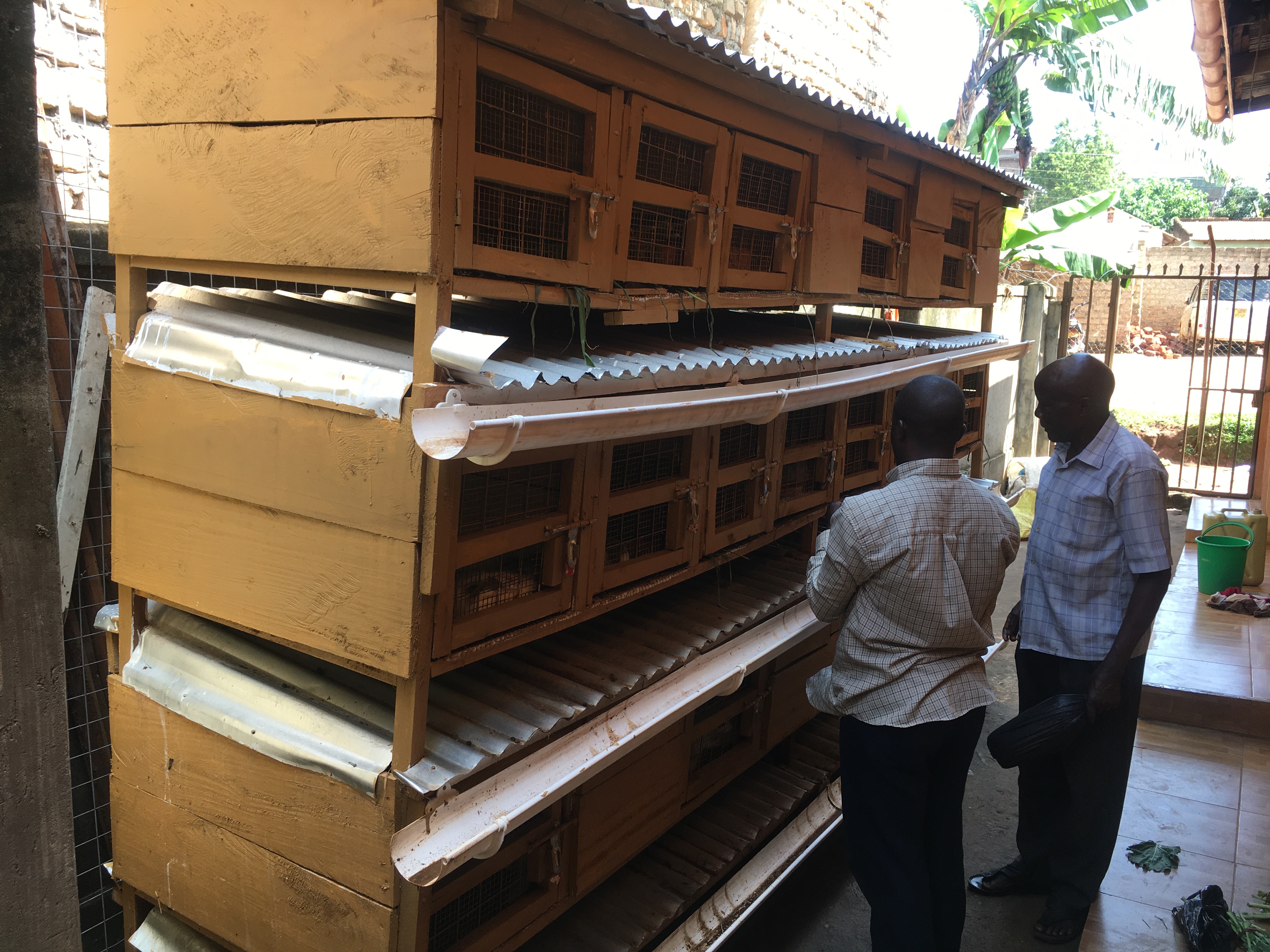
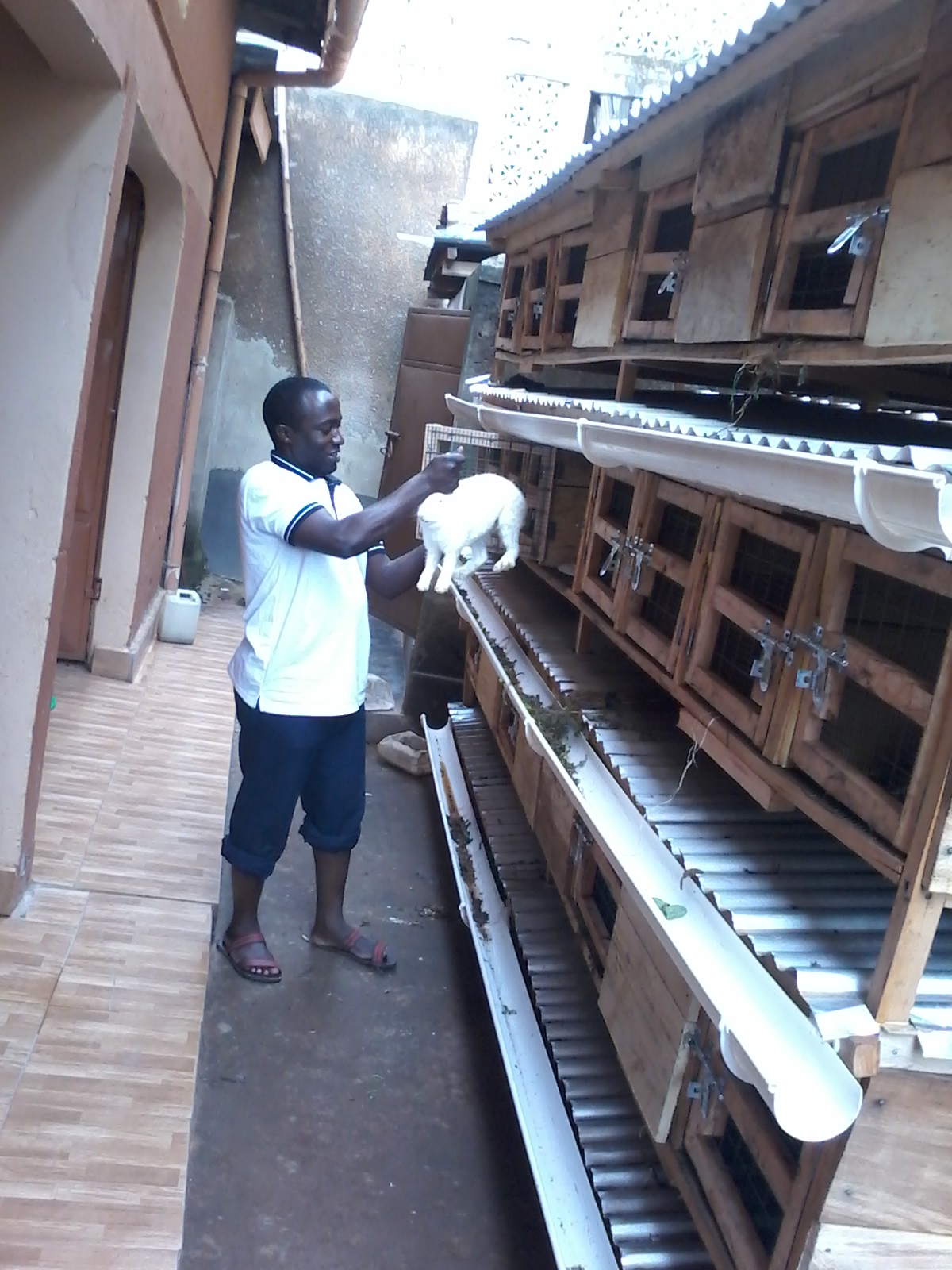
Modern cages, constructed in an 8 feet by 12 feet backyard space, were established to serve as breeding areas for the project. These cages were designed to optimize space utilization and facilitate efficient rabbit management.
Community Engagement and Impact
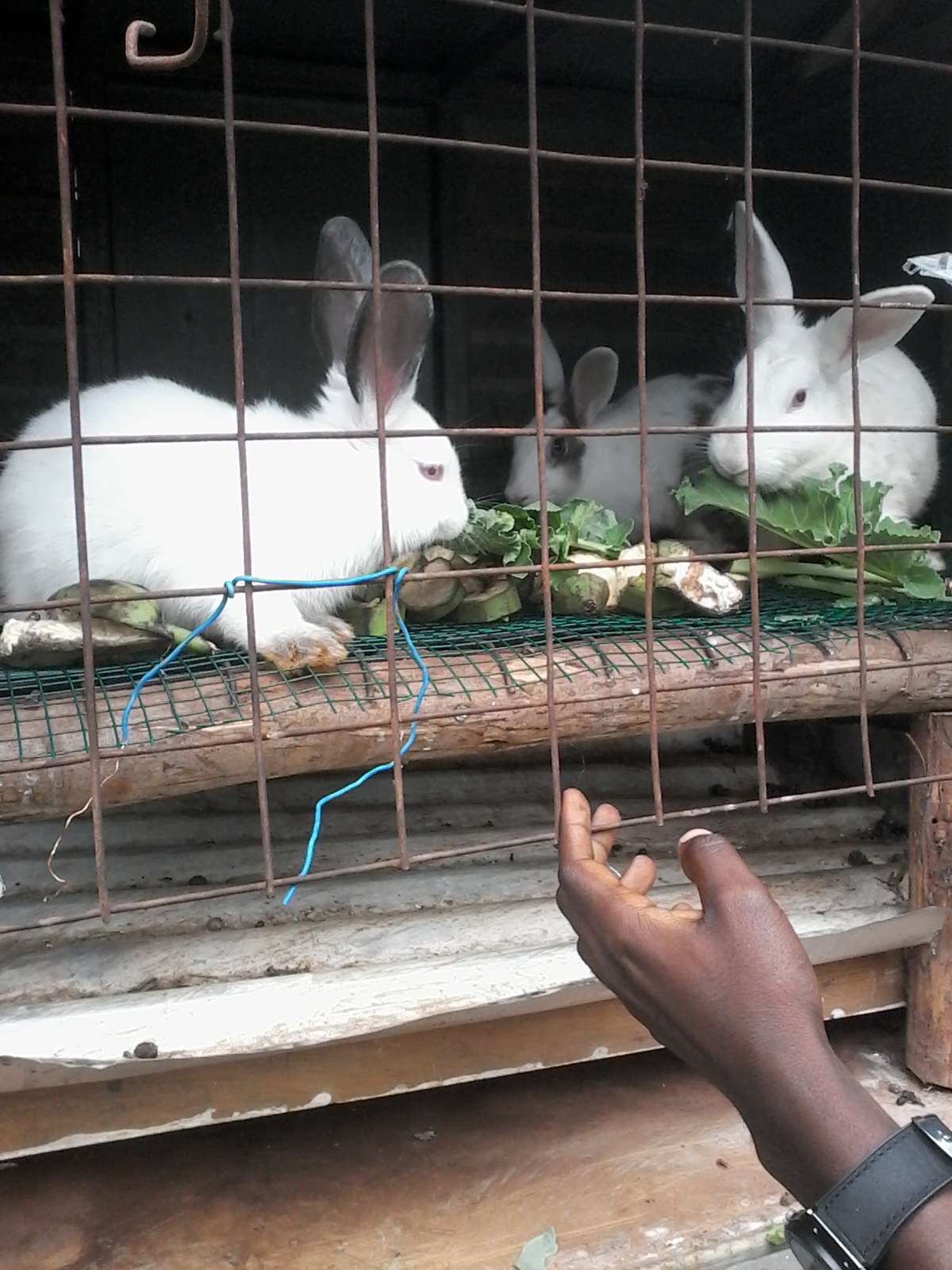
The Rabbit Farming Initiative garnered significant community engagement and support. Notably, Mr. Bisaso Ignatius, a catechist at St. Andrew Catholic Church Kabumbi, embraced the project and expanded his rabbit farming operations. Starting with a pair of rabbits, Mr. Bisaso now manages over 20 rabbits in locally constructed cages, demonstrating the scalability and success of the initiative.
Other community members have also adopted rabbit farming, inspired by ASI's support and encouragement. Through the distribution of rabbits and provision of training on rabbit husbandry, families have embraced rabbit farming as a sustainable income-generating venture requiring minimal space, maintenance, and monitoring.
Challenges and Future Plans
While the Rabbit Farming Initiative has achieved notable success, challenges such as space constraints and material availability persist. Future plans include:
Conclusion
In conclusion, the Rabbit Farming Initiative by African Soul Initiative exemplifies a sustainable approach to urban agriculture, promoting income generation and food security among urban households. Through community engagement, innovative cage designs, and strategic partnerships, the initiative has empowered families to embrace rabbit farming as a viable livelihood option. Moving forward, continuous support and expansion efforts will be crucial to sustaining the impact of the initiative and fostering economic resilience within Nansana Municipality. The project remains committed to promoting sustainable livestock farming practices and empowering communities through practical agricultural interventions.
Wire Transfer
Write a cheque

Flexipay
To make a donation via bank wire transfer, use the information below.
Indicate in the notes field the Project, Program or Campaign ID: [] you're donating for.
To the Account of: African Soul Initiative
Kampala, Uganda
Phone: 256394808418 / 256394808418
E-mail: info@asiug.org
Bank Name: Stanbic Bank (U) Limited
Account Number: 9030020285221
SWIFT Code: SBICUGKX
1. Mail your Cheque to:
African Soul Initiative
Kampala, Uganda
2. Make checks payable to: African Soul Initiative
3. On the memo line, please write Project/Program/Campaign ID: [] or the name of the project you want to support. If you would like to get email updates on the projects, please also write your email address.
We accept any cheque in Uganda Shillings.
Not living in Uganda? Don't worry. African Soul Initiative also accepts checks in any currency for donations equivalent to $200 USD or greater.
For currency conversion rates, see conversion rates.
On your phone, Dial *291# & enter merchant code 241356 This code should return the name African Soul Initiative and confirm with your pincode to send your donation.